
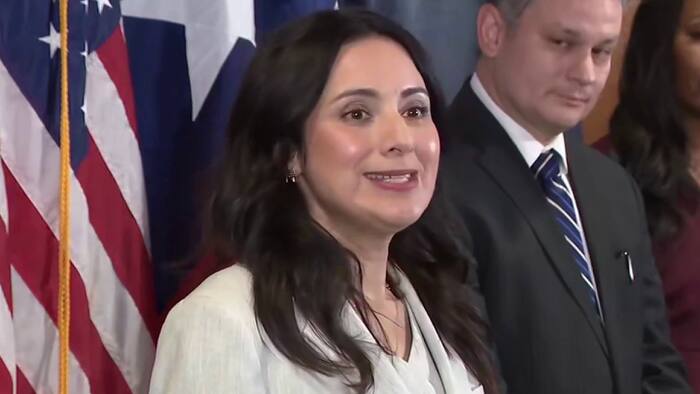
Texas Democrats’ election gains have raised expectations for the upcoming legislative session, but a political scientist said what Governor-elect Gina Hinojosa campaigned on will be shaped by the numbers in Austin.
Austin Bussing, an assistant professor of political science at Trinity University, said Hinojosa ran expecting to work with a Republican-controlled House and Senate.
“We can kind of set expectations based on what Hinojosa ran on during the campaign, issues she made salient during the campaign, tempered by the fact that there will be a Republican majority in the state Senate,” Bussing said.
“She was sort of partially right on that, but the surprise on that was the state House is going to have at least a narrow majority of Democrats,” he said.
Hinojosa has said she wants to send every Texas household $1,500. Bussing said that would require legislative action.
“This would have to go, start in the legislature as a bill introduced by a member, and would have to go through the legislative process,” he said.
He said the threshold for the money itself is high.
“Something to withdraw money from the rainy day fund in this case would be a two-thirds super majority from both chambers,” Bussing said.
That is before questions such as eligibility requirements or how the money would be distributed are settled.
The governor-elect has also said Texas needs the Legislature to put real protections in place regarding data centers. Bussing said the issue is still developing, for Texas and other states.
“This is a fascinating issue because it is emerging issue, on which party lines really haven’t formed,” he said.
“I think Hinojosa would say no outright ban. But we need legislatively determined criteria on sort of, what are the expectations for data centers. And what is the relationship between the data center and the community where it operates?” Bussing said. “This is something where, maybe, there is a bi-partisan compromise to be made.”


